


The Craft, Judgement, and Standards Behind Our Signs
How We Choose Our Materials
Introduction
At The Bespoke Sign House, material choice is never an afterthought.
Every sign we make begins long before engraving or painting, it starts with careful material selection. Not just choosing stone or timber that looks good on day one, but materials that will remain clear, solid and beautifully balanced for years to come.
In a world of mass production and endless options, we believe good craftsmanship comes from restraint, experience, and judgement. Rather than offering every possible material, we focus on a small number we know intimately, materials we’ve tested, worked with, and learned from tens-of-thousands of stone signs.
This page explains how we choose our materials, what we look for, and why we sometimes say no, because well-made products are never accidental.
How We Select Materials for Signage
When selecting our materials for exterior signage, aesthetics are only part of the story - in practice, a sign needs to perform just as well as it looks. Natural materials vary (that’s part of their appeal), but for signage, consistency matters, which is why our role at The Bespoke Sign House is to understand those natural variations and apply judgment, selecting and finishing each piece so it meets our standards for clarity, balance, and longevity.
The Bespoke Sign House specialises in exterior signage, so our stone signs have to weather everything Mother Nature throws at them - including frost, driving rain, UV, and years of temperature swings. Natural stone handles this better than almost any manufactured alternative: slate and granite are dense, non-porous and effectively inert, so they won't warp, fade or corrode the way timber, acrylic or painted metal eventually do. Our limestone is honed but a softer material, which we account for when we select and finish each piece. Chosen and prepared properly, a stone sign is designed to still be legible and intact for many years from now, not seasons.
Be it from the road, from a gate, in low winter light, a sign only works when it can be both seen and read. That depends less on the size of the lettering than on contrast, depth of engraving and the finish of the surrounding surface. We engrave our stone by hand for clear eligible lettering so the characters stay crisp rather than flattening out in bright or overcast conditions. The result reads cleanly at the distances that actually matter for a house sign, not just up close.
Because stone is a natural material, no two pieces are identical. That variation is part of the appeal, but it also means each slab has to earn its place. We check every piece for hidden faults: fissures, soft veins or inclusions that look fine on the surface but can crack or spall once the sign is drilled, fixed and exposed to frost. Anything that won't hold up over time is set aside. What reaches you is stone we're confident will stay sound long after installation.
Each stone responds differently to engraving, and knowing how is central to getting a clean result. Slate cuts sharply and takes fine detail, which suits smaller lettering and intricate designs. Granite is far harder and more resistant, so it demands a different approach but rewards it with exceptional crispness and permanence. We match the engraving method to the material in front of us rather than treating them all the same — which is why the lettering comes out consistent regardless of which stone you choose.
Slate
Neutral, Understated and Timeless
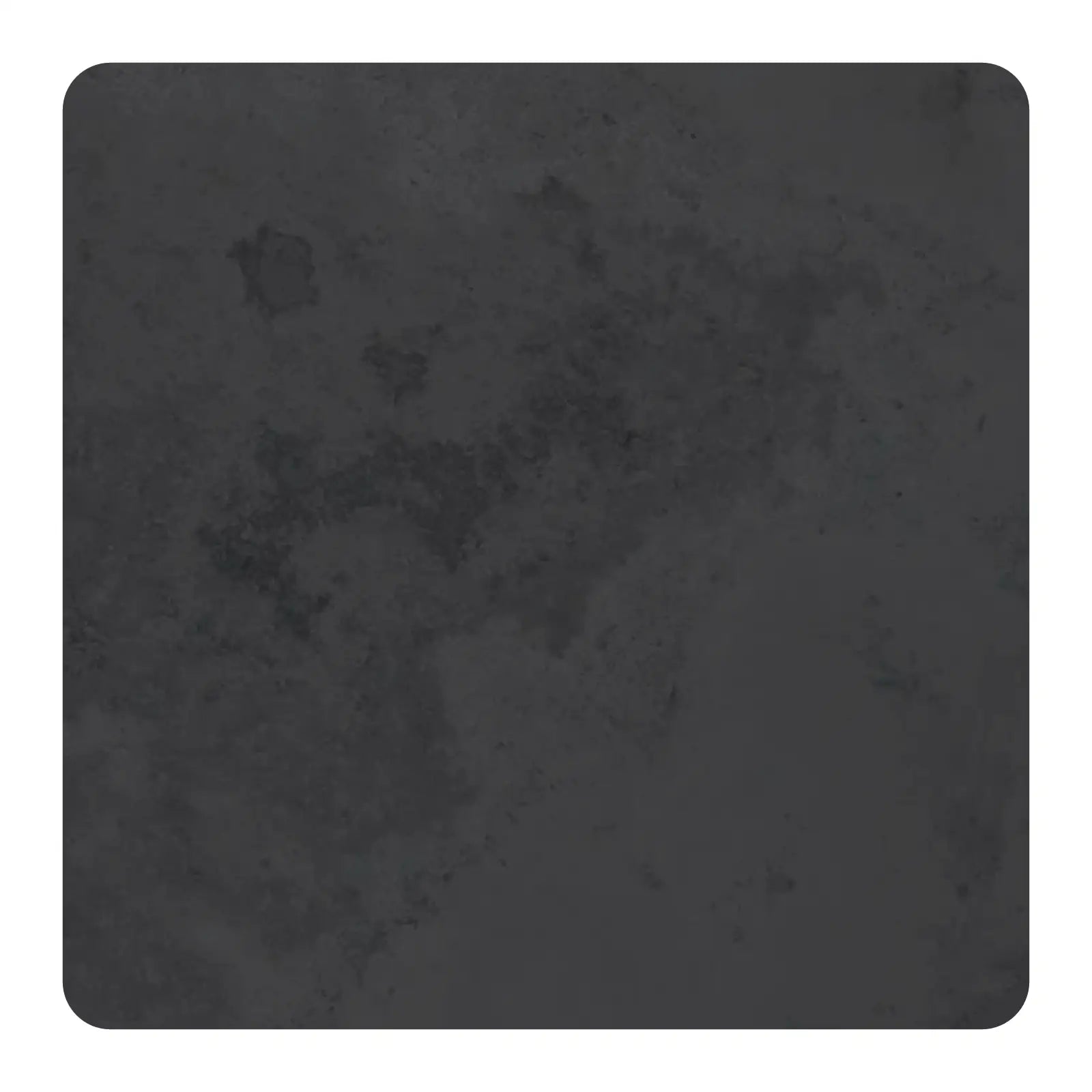
A Natural Stone with Character
Slate is a natural stone formed over millions of years under intense heat and pressure. Its fine grain, strength and ability to be split into smooth layers have made it one of the most enduring materials in architecture and signage.
Slate occurs in several natural colours, each shaped by the minerals present during its formation. While we specialise exclusively in grey slate, understanding the wider slate family helps explain why it remains our benchmark material.

Why We Use Grey Slate for House Signs
Grey slate is the most widely recognised and respected form of slate, traditionally quarried in regions such as Wales, Spain and Brazil.
Its colour comes primarily from carbon, iron sulphides and fine clay minerals, creating subtle variations that give each piece its own natural character.
In our experience, grey slate offers the best balance of performance and appearance for exterior signage:
- Naturally neutral, suiting both modern and traditional homes
- Exceptional contrast when sandblasted and painted
- Ages beautifully, developing character without fading
- Clean, understated and timeless — never trend-led or dated
Grey slate offers the best balance of performance and appearance for exterior slate house signs. It delivers a premium finish that looks as good in ten years as it does on day one, with minimal maintenance.
Why We Use Grey Slate for House Signs
When selecting our materials for exterior signage, aesthetics are only part of the story - in practice, a sign needs to perform just as well as it looks. Natural materials vary (that’s part of their appeal), but for signage, consistency matters, which is why our role at The Bespoke Sign House is to understand those natural variations and apply judgment, selecting and finishing each piece so it meets our standards for clarity, balance, and longevity.
Suits both modern and traditional properties.
The engraved out lettering provides clear legibility when painted in various colours.
Develops character without fading and is easy to maintain.
Slate is a timeless material, and it's appearance isn't trend-led or dated.
Why We Don’t Use Red or Green Slate
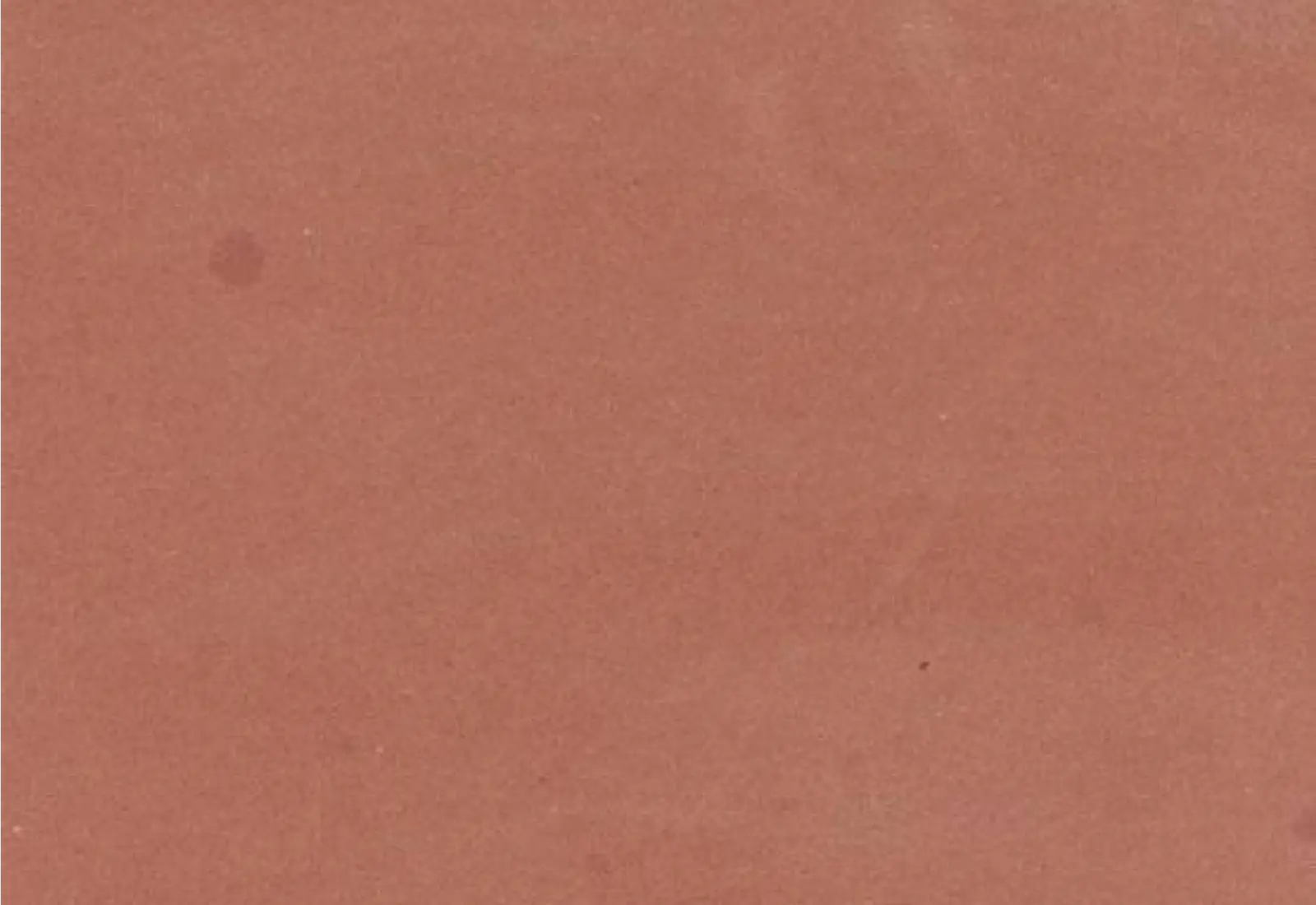
Red Slate
Red slate, often associated with Cumbria and parts of North America, contains higher levels of iron oxide. While visually striking, it tends to be more visually dominant, more variable in colour and less effective for fine, legible lettering.
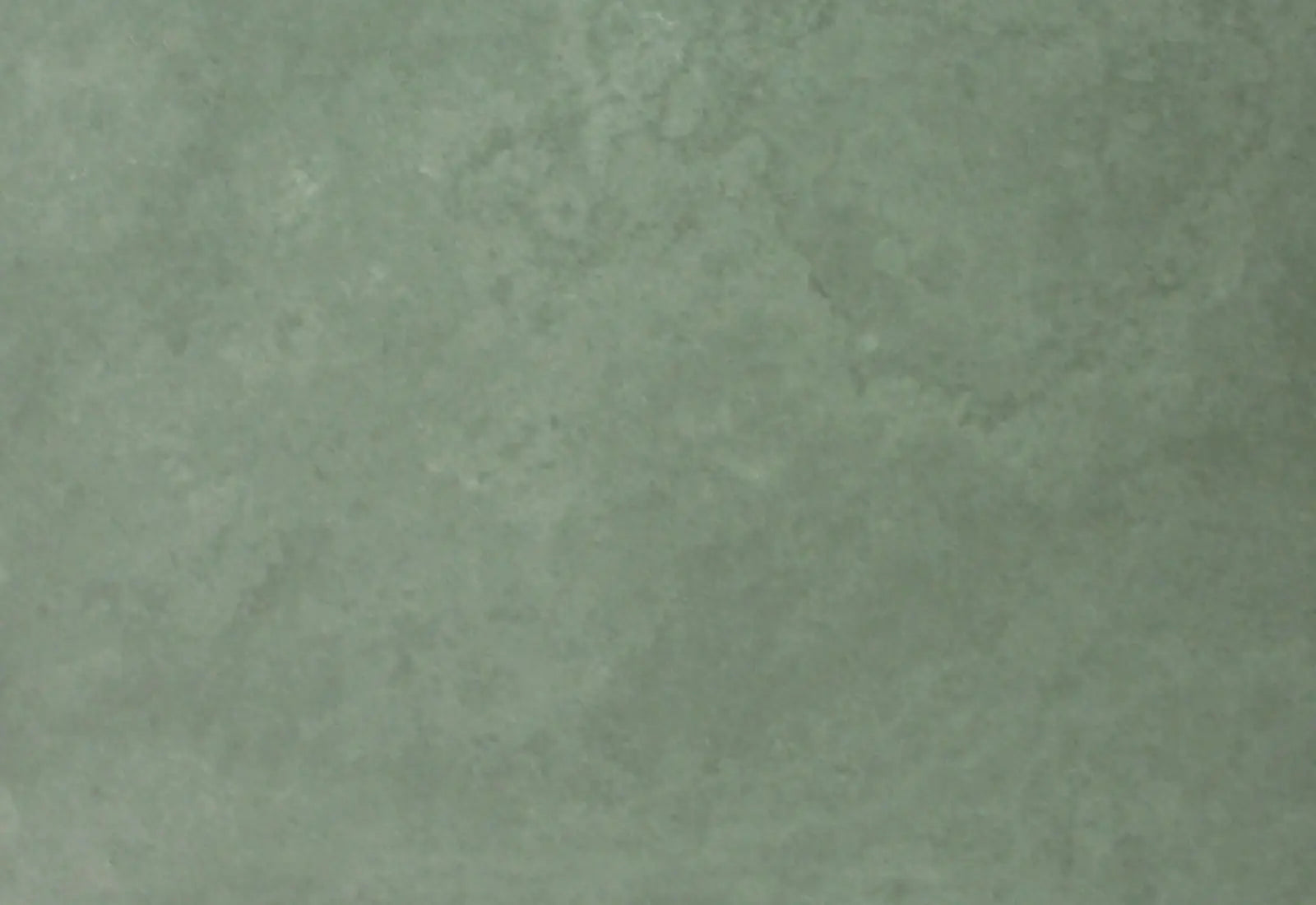
Green Slate
Green slate, typically quarried in North Wales, Cumbria, parts of France, and the USA, contains minerals such as chlorite that give it a softer, more organic appearance. While we have offered green slate in the past, we’ve found that sourcing it with consistent colour, grain, and engraving performance has become increasingly difficult. As a result, we’ve chosen to set it aside until we can reliably source green slate that meets our standards.
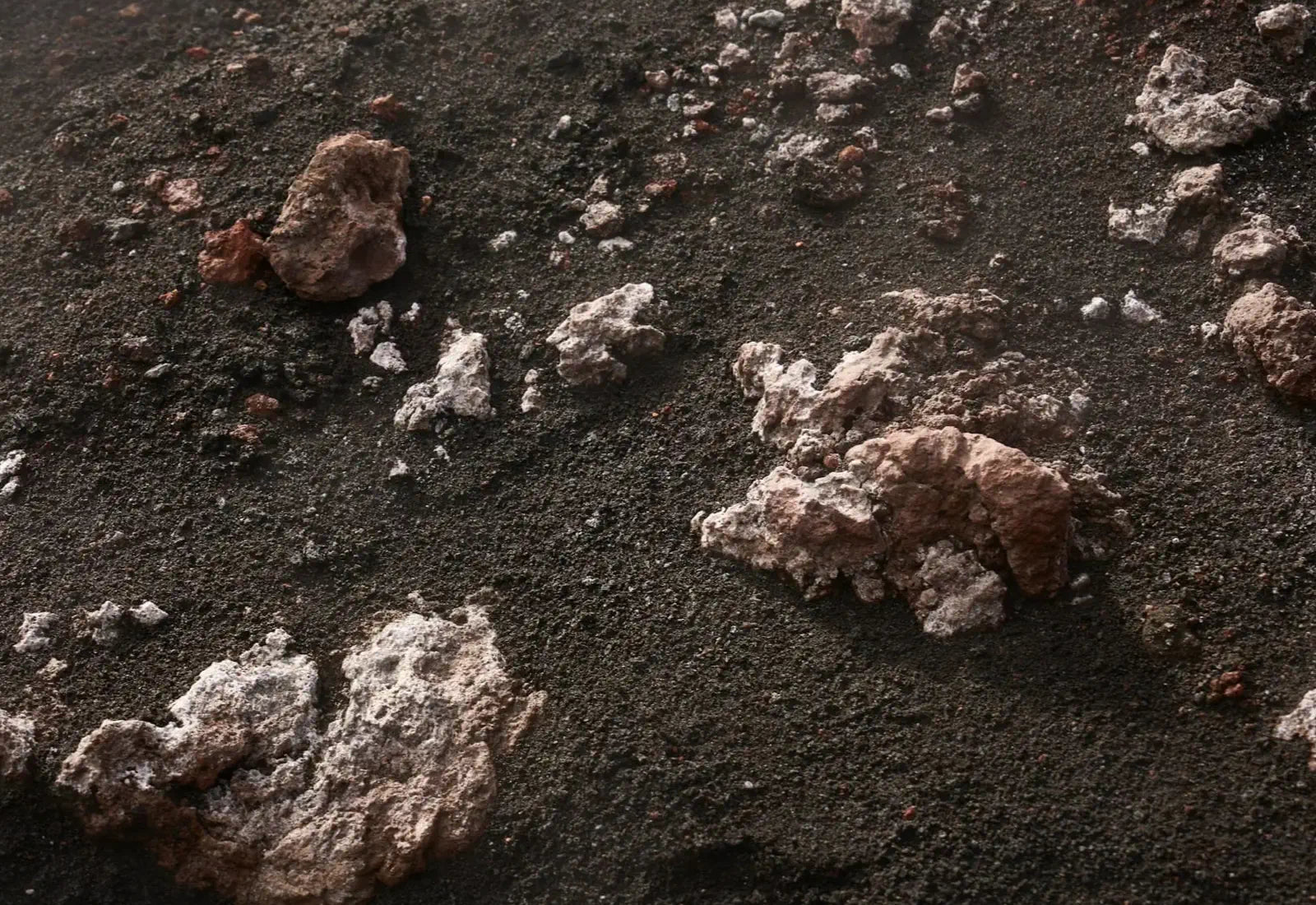
Clay & Ash
450 Million Years Ago
Fine layers of clay and volcanic ash slowly settled on the floor of an ancient sea during the Ordovician period. Over millions of years, these microscopic particles built up in thin, even layers. These are the foundations of what would one day become slate.
Heat & Pressure
300 Million Years Ago
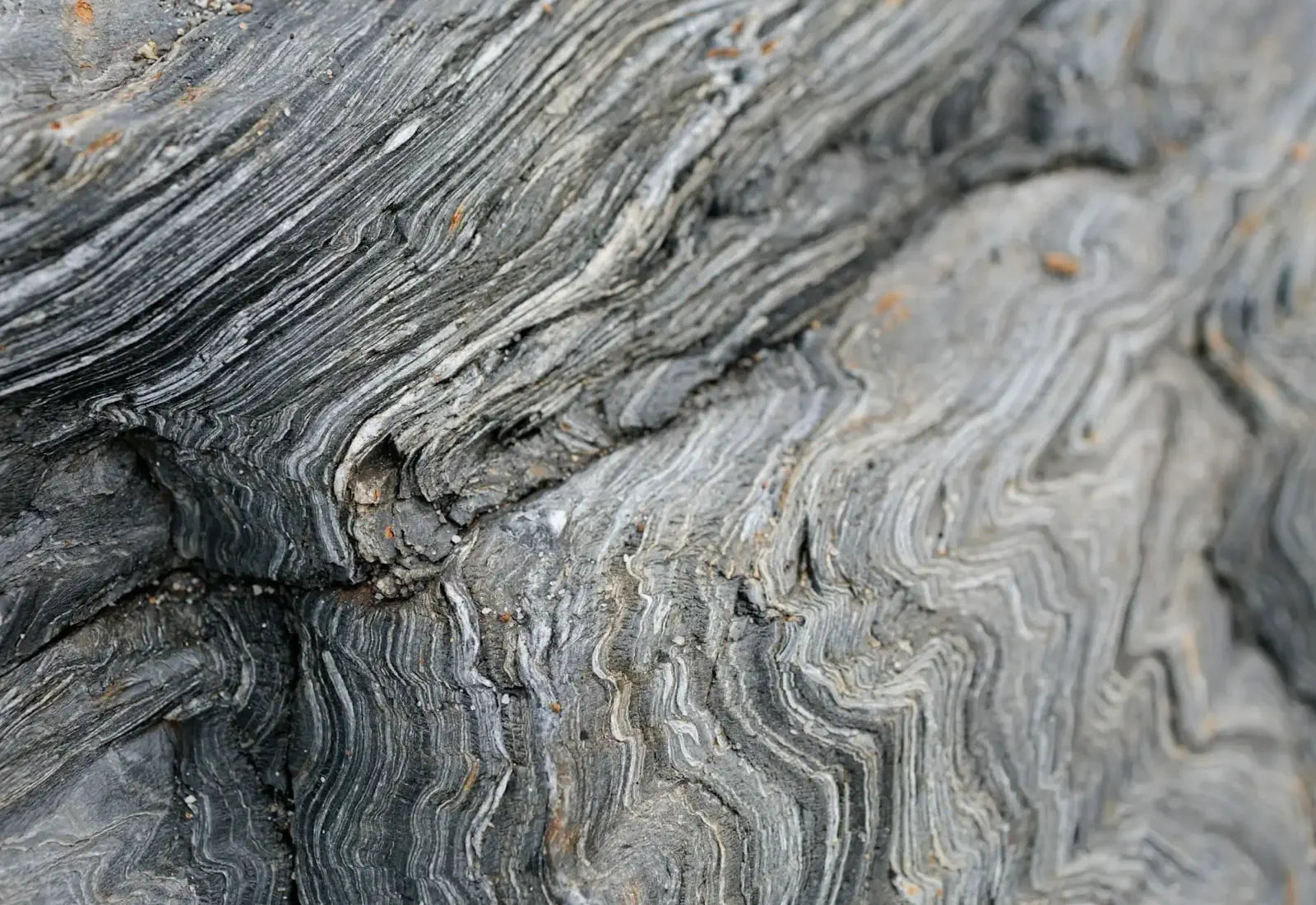
Powerful tectonic forces deep within the Earth compressed and “folded” these layers under immense heat and pressure. This natural process transformed soft clay into slate. It's dense, durable, and defined by its distinctive grain and natural cleft.
Quarried
The 19th Century – Today
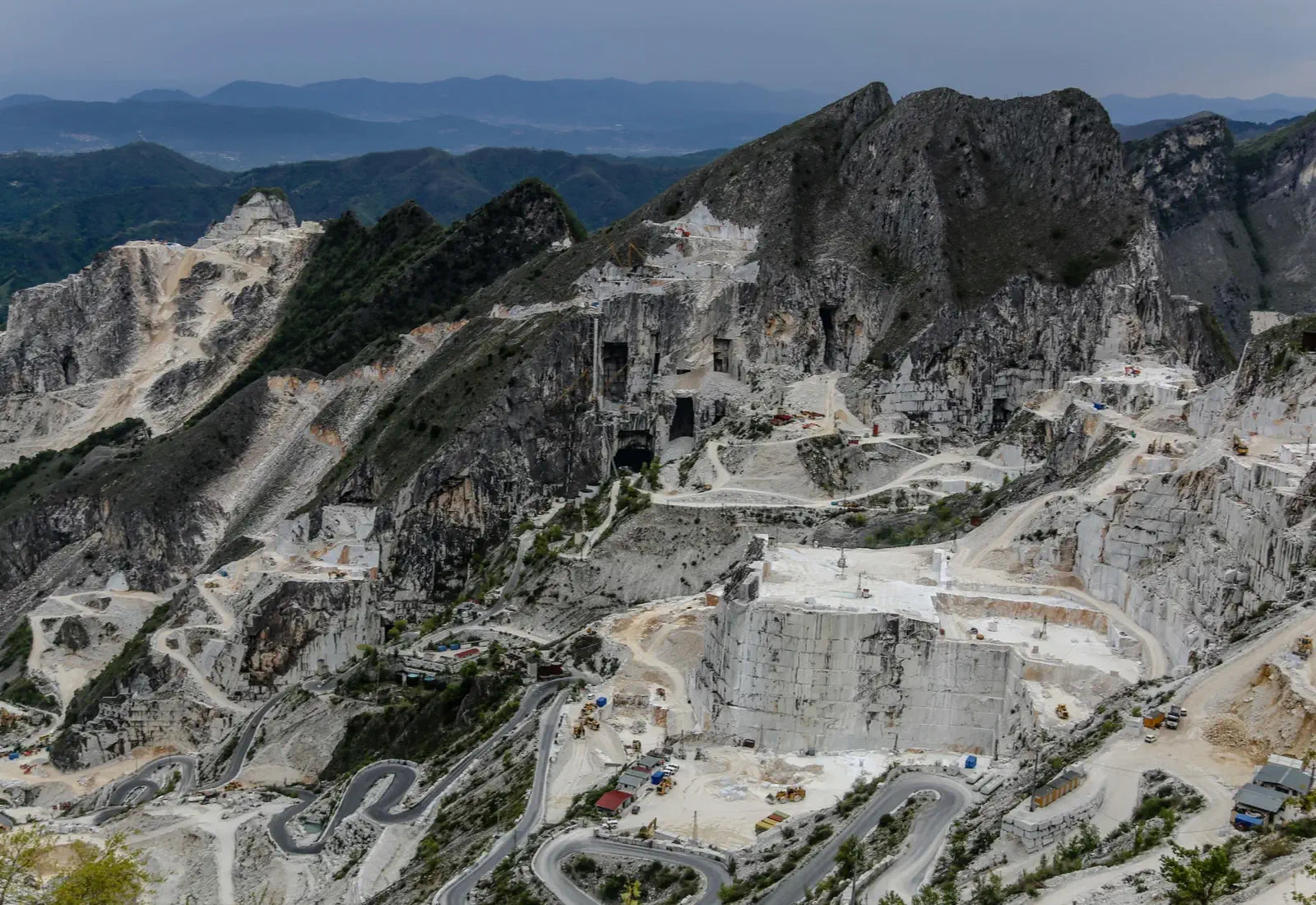
Slate is traditionally quarried from deep within the mountains, most famously in Wales and parts of Brazil. Extracted in large blocks, the stone is split along its natural layers - just as it has been for centuries - revealing the character and texture that make each piece unique.
Crafted by Hand
Our Workshop
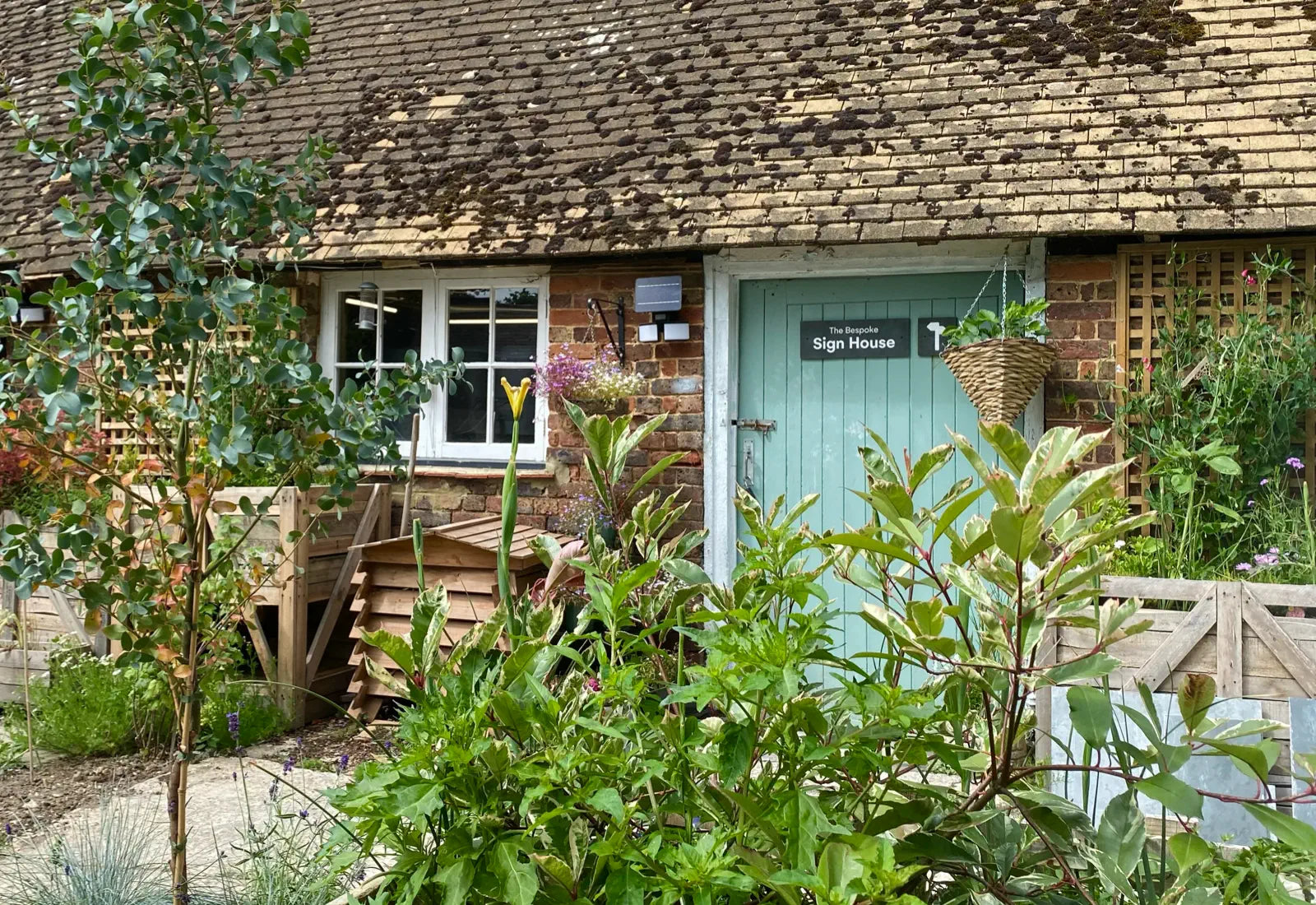
In our workshop, each slab is hand-selected by our team. We look for the perfect balance of colour, grain, and natural cleft before carefully cutting, engraving, and finishing the stone. No two pieces are ever the same.
On your home
Today
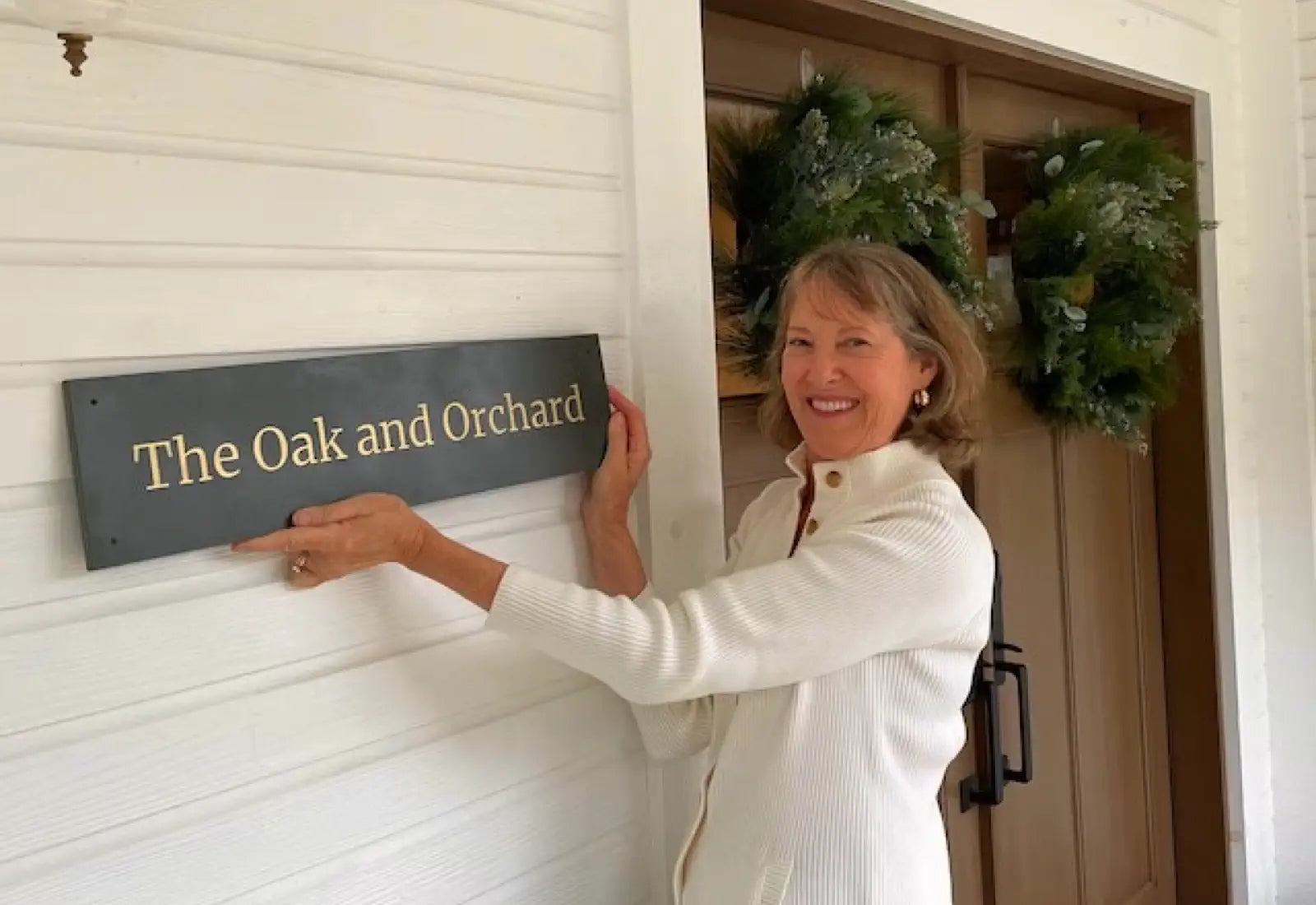
Your bespoke slate house sign is engraved, hand-painted, and finished by hand before being installed on your home, a material shaped by hundreds of millions of years, made personal for you.
Limestone
Warmth, Tradition, and Restraint
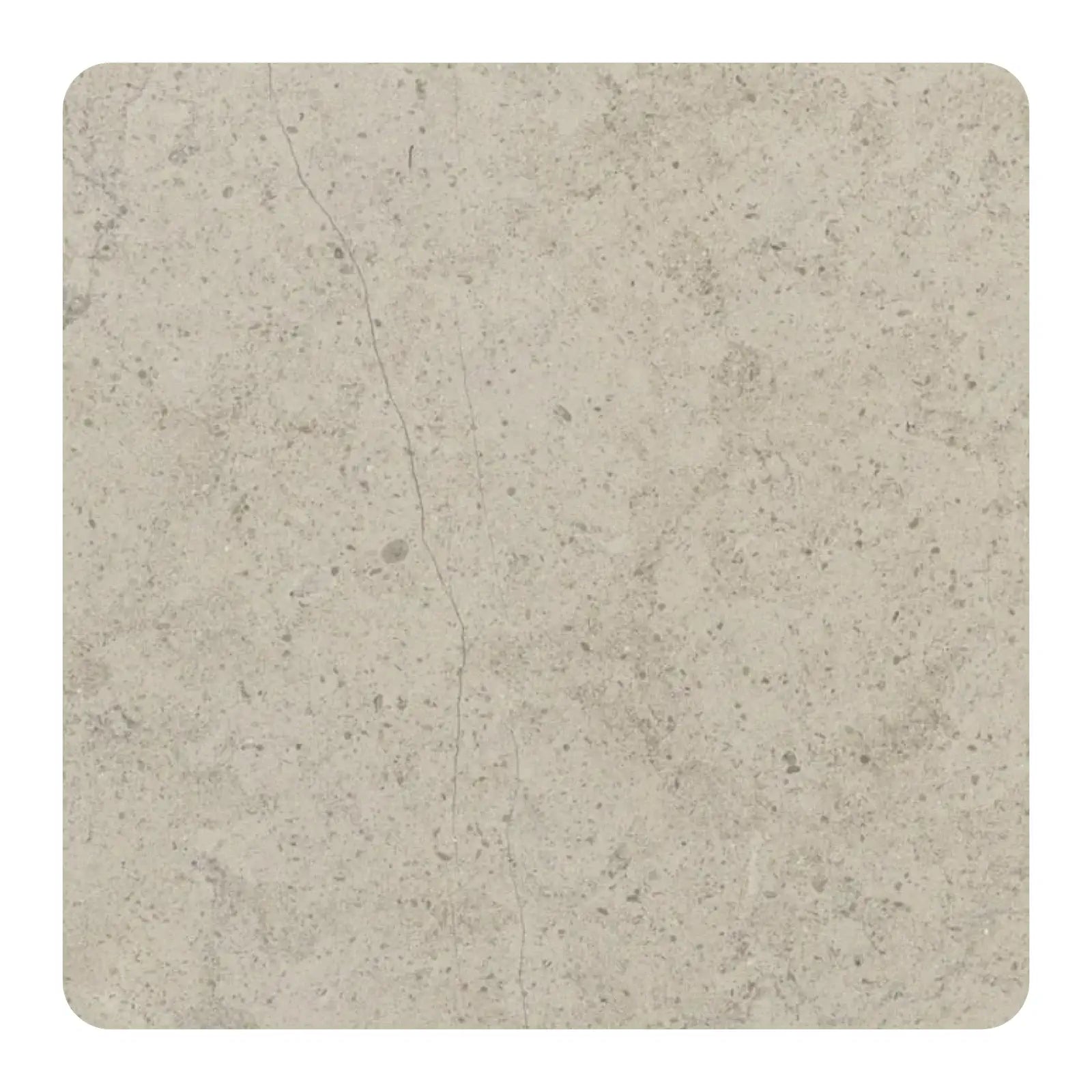
Our Natural Limestone
Limestone is a sedimentary stone formed from layers of compacted marine organisms deposited on ancient seabeds. Over millions of years, these layers mineralised into a stone known for its warmth, subtle variation and organic character.
Unlike igneous stones such as granite, limestone has a softer visual presence that has been used in British and European architecture for centuries - particularly in traditional and heritage settings.

Our Limestone Signs
Our limestone is sourced from carefully selected quarries in the UK and overseas, drawing on varieties associated with regions such as the Cotswolds and Portland.
Each sign face is honed to create a smooth, refined surface. This finish reduces surface absorbency, improves consistency, and provides a clean backdrop for sandblasted lettering while preserving the stone’s natural depth.
Limestone house signs are characterised by:
- A naturally warm, organic appearance
- Subtle tonal variation unique to each piece
- Softer visual contrast than slate or granite
- A finish that develops character as it weathers
Limestone is chosen by customers seeking a timeless, understated aesthetic, where the sign feels like a natural extension of the building rather than a bold statement.
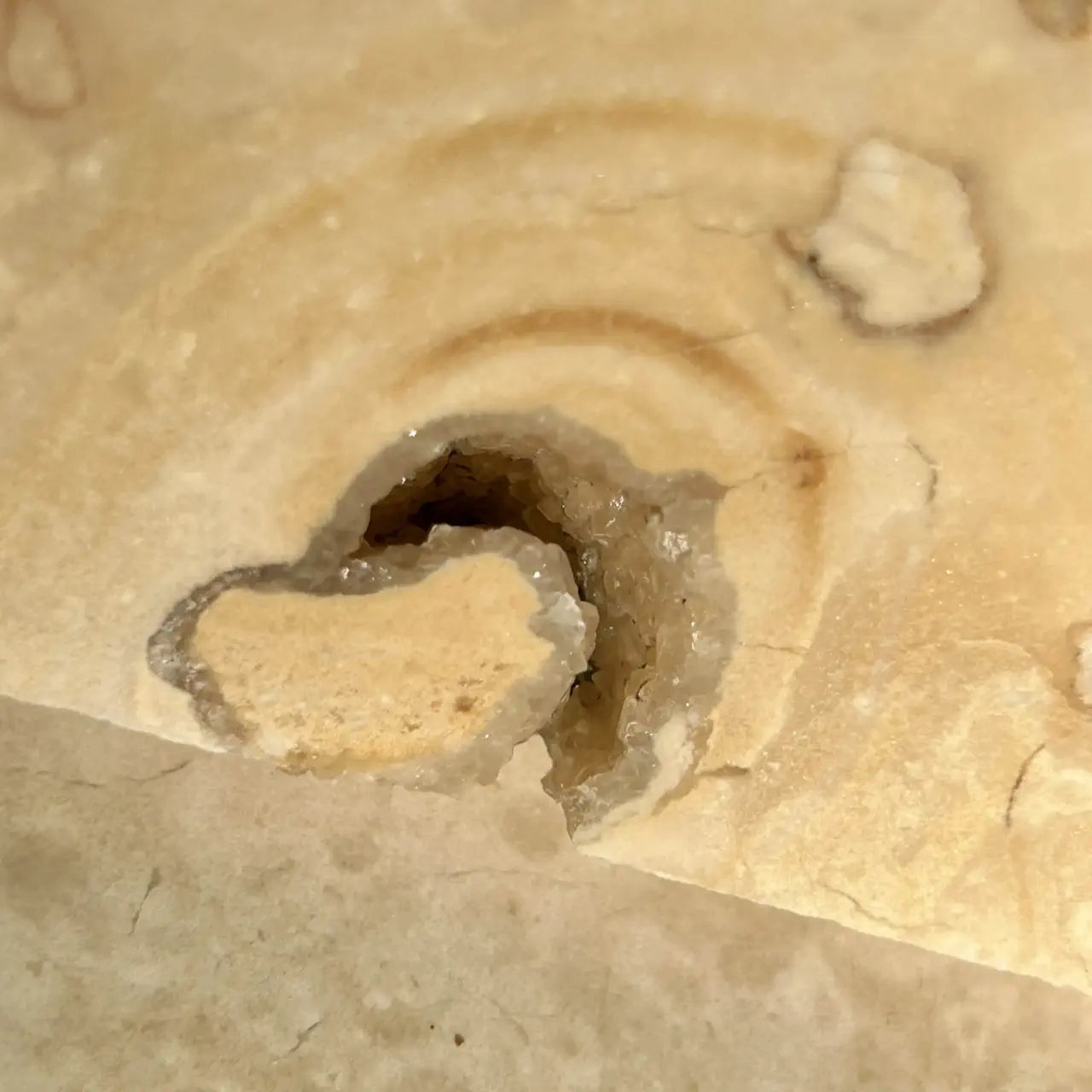
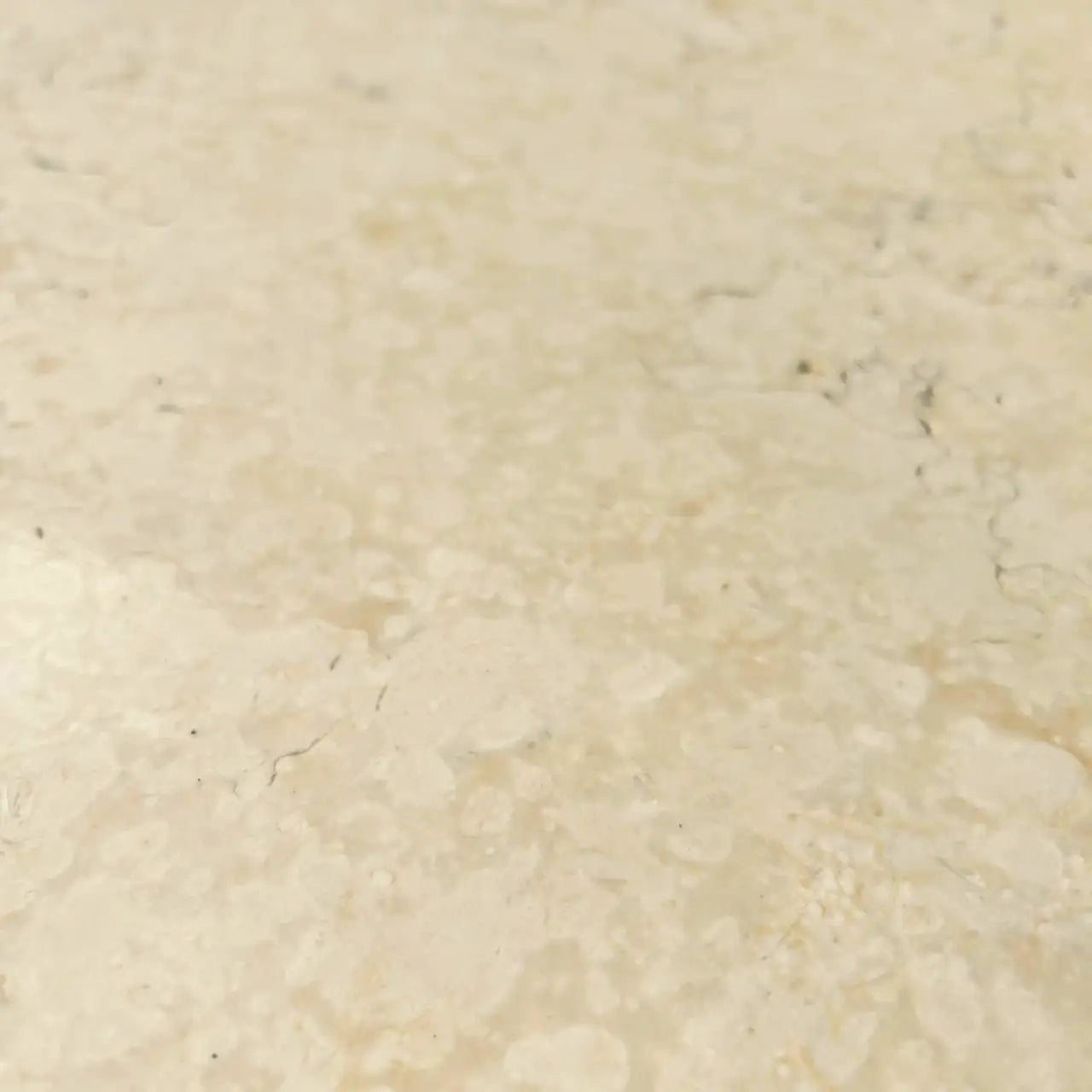
Natural Variations in Limestone
Occasionally, as we prepare raw limestone slabs in our workshop, we uncover small crystal formations - most often calcite or quartz - formed naturally within tiny fissures in the stone.
While these formations are a striking reminder that limestone is a living geological material, we never include them in finished signs.
In our experience, visible crystal pockets can compromise structural consistency and engraving precision. For this reason, any limestone showing crystal cavities is carefully rejected during material selection.
It’s our way of ensuring that while your sign is natural, its quality is never left to chance.

Warm Seas
200 Million Years Ago
During the Jurassic period, much of what is now Europe lay beneath warm, shallow seas. Layers of shells, coral, and marine organisms settled gently on the seabed, gradually building up over time as life flourished beneath the surface.

Minerals Bind
The Mineralisation
As these layers were buried, calcium-rich waters slowly seeped through them. Under natural pressure, the shells and sediments mineralised and bonded together, forming solid limestone which is often honey-coloured, subtly textured, and rich with character.

Extraction
The Quarry
Today, limestone is extracted from historic quarry beds across the UK and Europe. When cut, the stone often reveals tiny fossils and shell fragments - quiet reminders of its origins beneath an ancient sea.

Chosen with Care
The Selection
In our workshop, each limestone slab is carefully “sense-checked” by hand. We assess colour, density, and structure, rejecting any sections with open crystal pockets or weaknesses to ensure the stone is both beautiful and built to last.
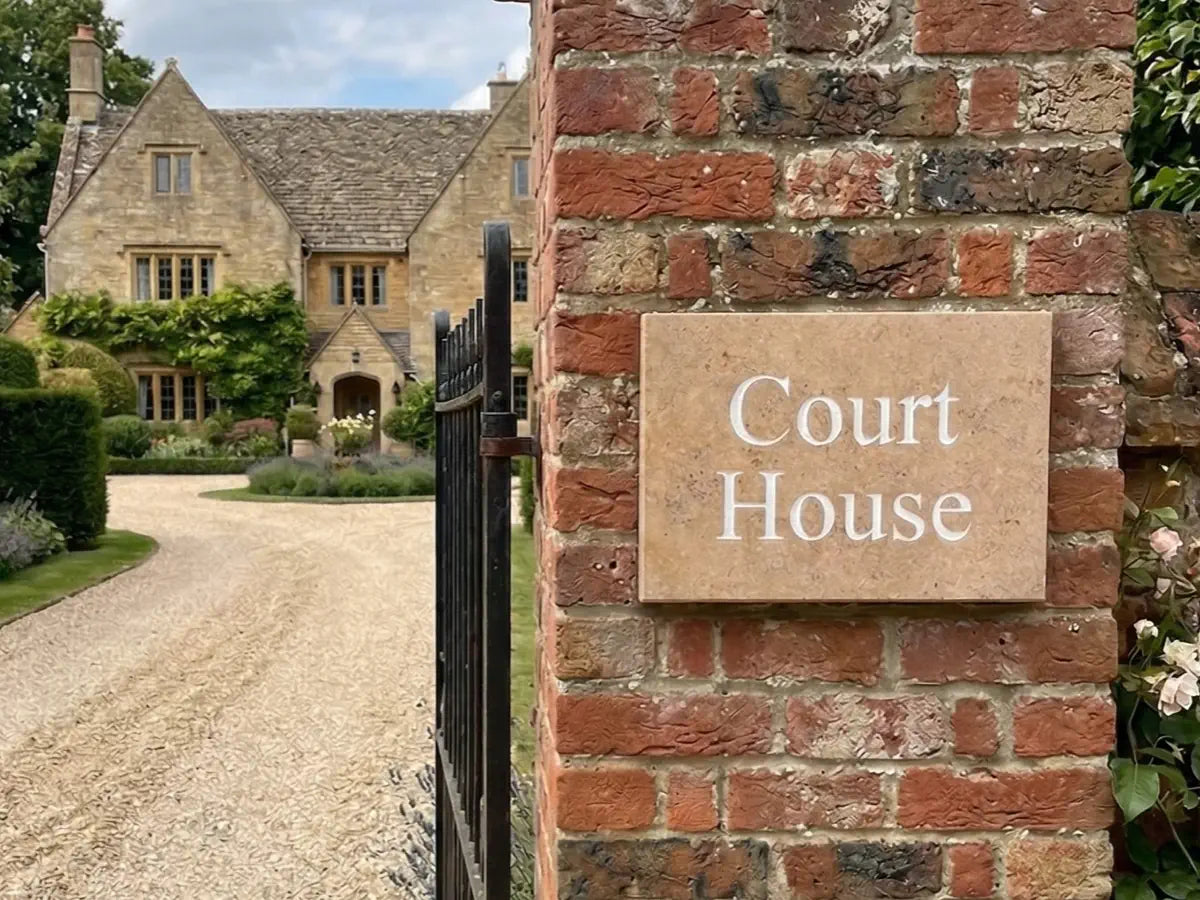
A Warm Welcome
A Limestone House Sign
Once sealed, your limestone sign is delivered to you to become a lasting marker for your home. A piece of ancient seabed, shaped by time and finished by hand.
Granite
Precision and Permanence
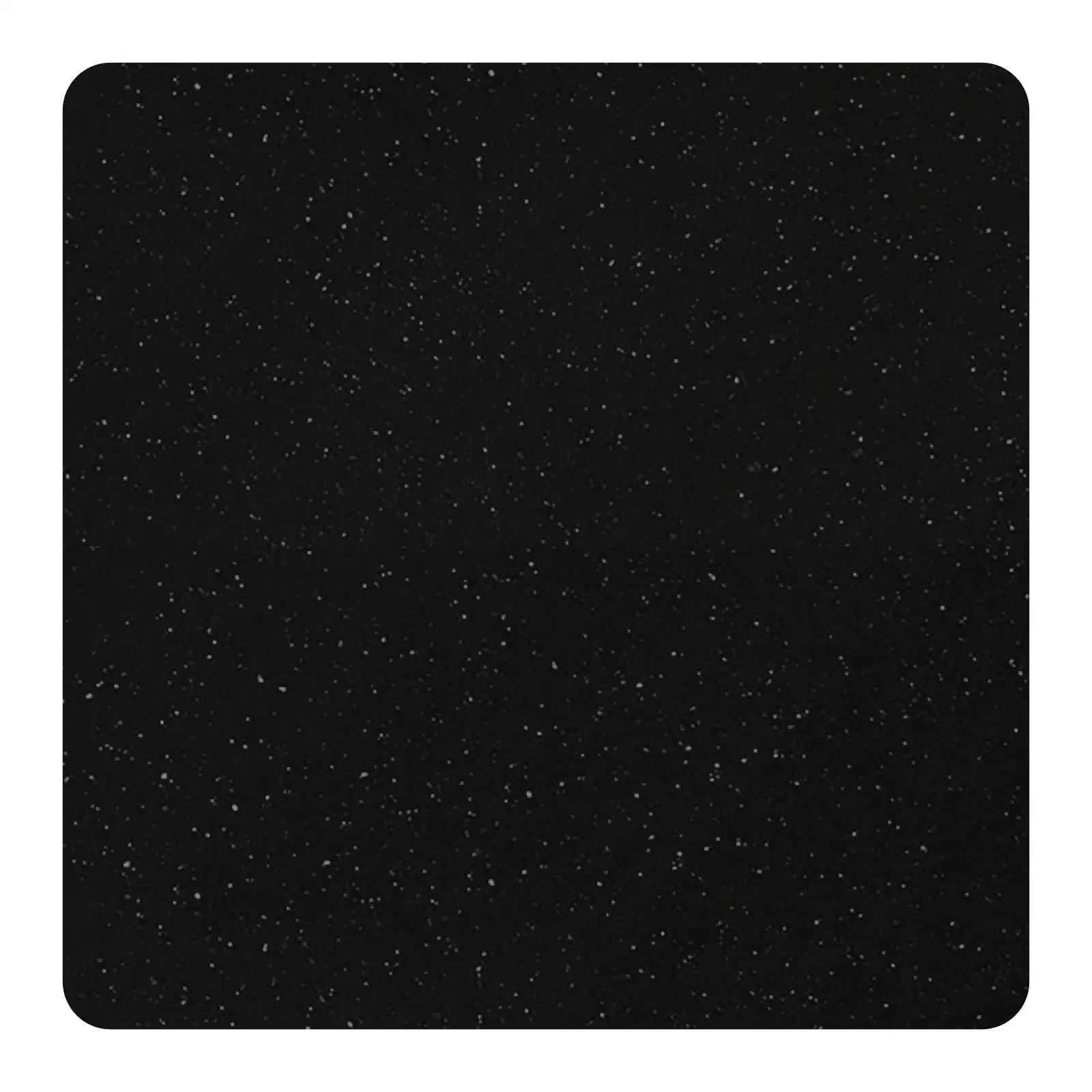
Black, Polished & Extremely Durable
Granite is an igneous stone formed deep within the earth as molten magma cooled slowly over millions of years. This process gives granite its distinctive crystalline structure and exceptional strength.
Quarried worldwide and long used in architecture and monuments, granite is valued for its durability and clean, refined finish.
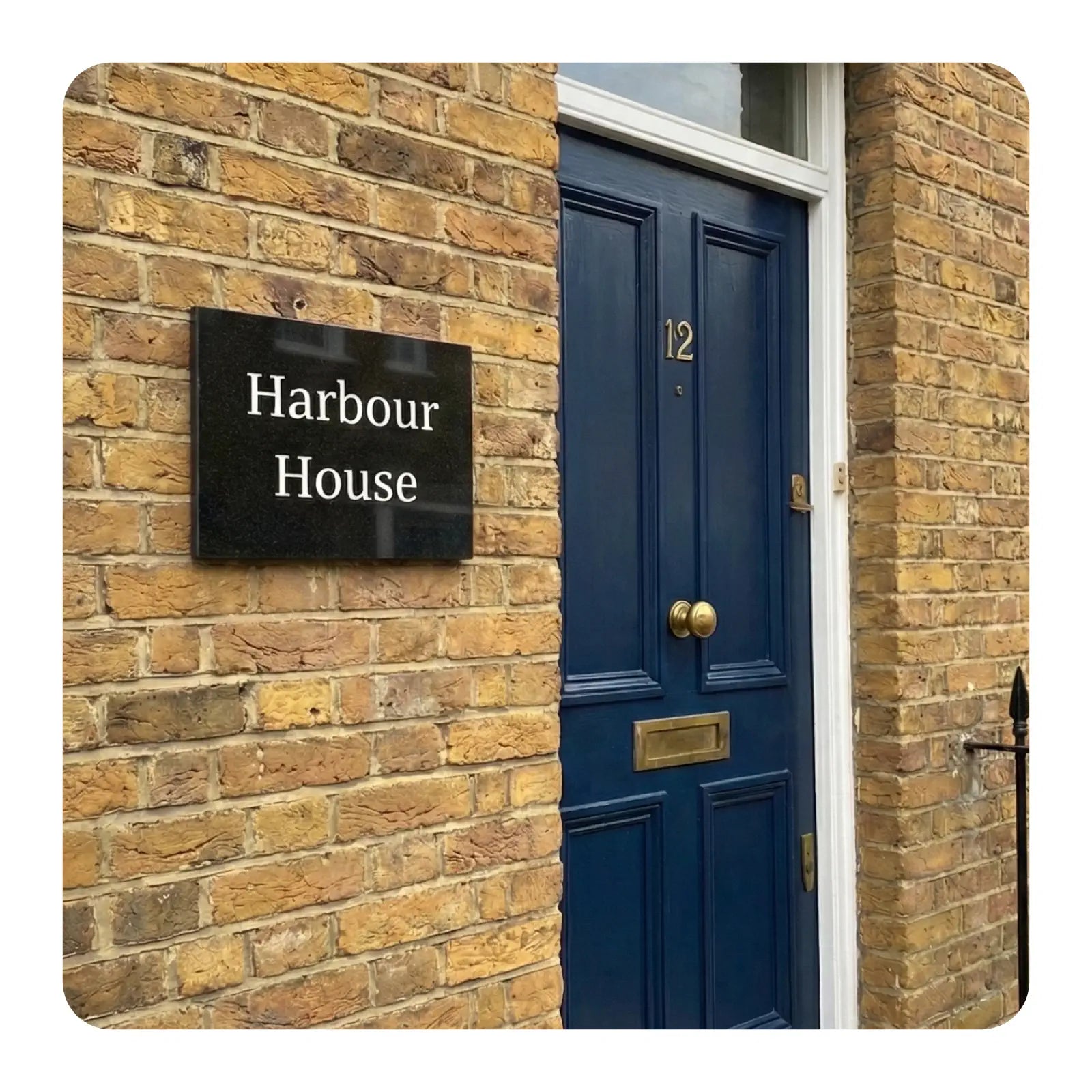
Why We Use Granite for House Signs
Granite house signs offer:
- Exceptional resistance to weathering
- A smooth, polished surface
- Subtle natural sparkle from mineral crystals
- Outstanding longevity with minimal maintenance
As a signage material, granite suits contemporary properties particularly well, offering crisp edges and a sleek surface that contrasts with the softer character of slate or limestone.

Forged Deep Underground
500 Million Years Ago
Deep beneath the Earth’s crust, vast chambers of white-hot magma became trapped far below the surface. Unlike volcanic lava, this molten rock never erupted. Instead, it cooled slowly under immense pressure, hidden from the world for millions of years.
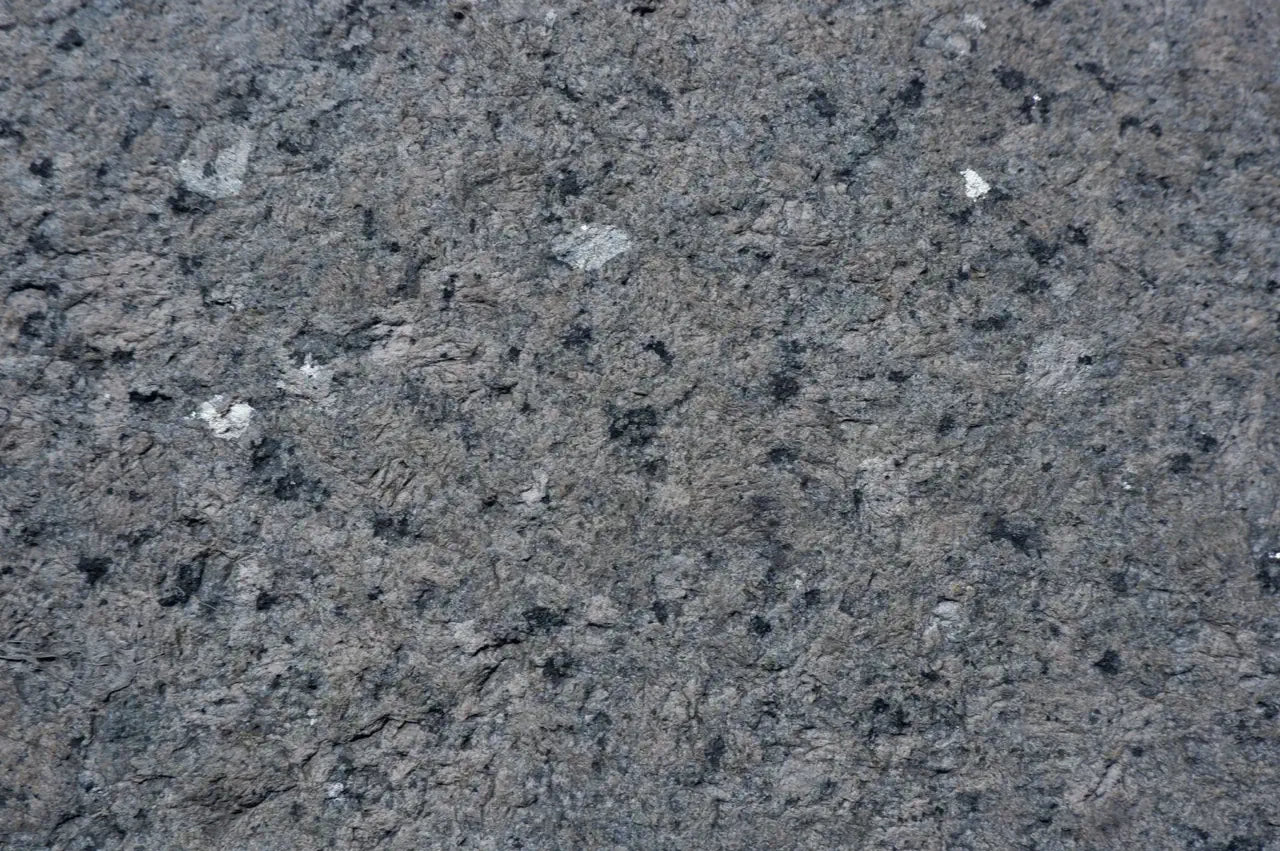
The Slow Freeze
Crystallisation
This slow cooling allowed minerals such as quartz, mica, and feldspar to fully crystallise and interlock. The result is granite’s dense, tightly bonded structure - exceptionally hard, naturally weather-resistant, and defined by its subtle crystalline sparkle.
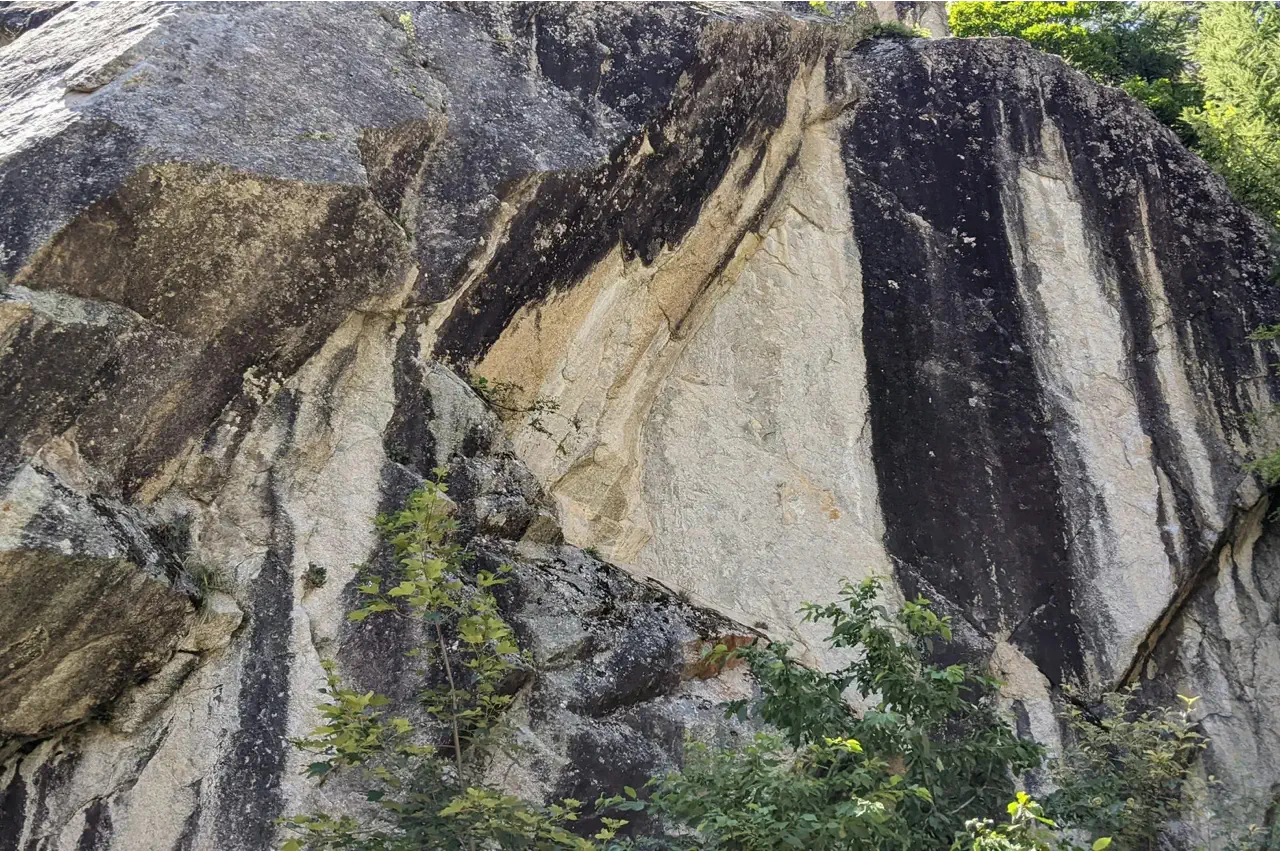
Tectonic Shifts
The Great Uplift
Through powerful tectonic shifts and relentless erosion, these ancient subterranean formations were gradually forced upward. What was once buried deep within the Earth was finally revealed at the surface, unchanged by time.

Extraction
The Quarry
Granite is quarried from historic beds across the world, from the hills of Scotland to the mineral-rich regions of India. Only the highest architectural-grade blocks are selected, chosen for their uniform strength, stability, and consistency.
Craft & Precision
Our Workshop
Because granite is exceptionally hard, it demands specialist tools and techniques. In our workshop, diamond-tipped cutting and high-pressure sandblasting are used to create crisp, precise lettering and clean lines, perfectly suited to modern homes.
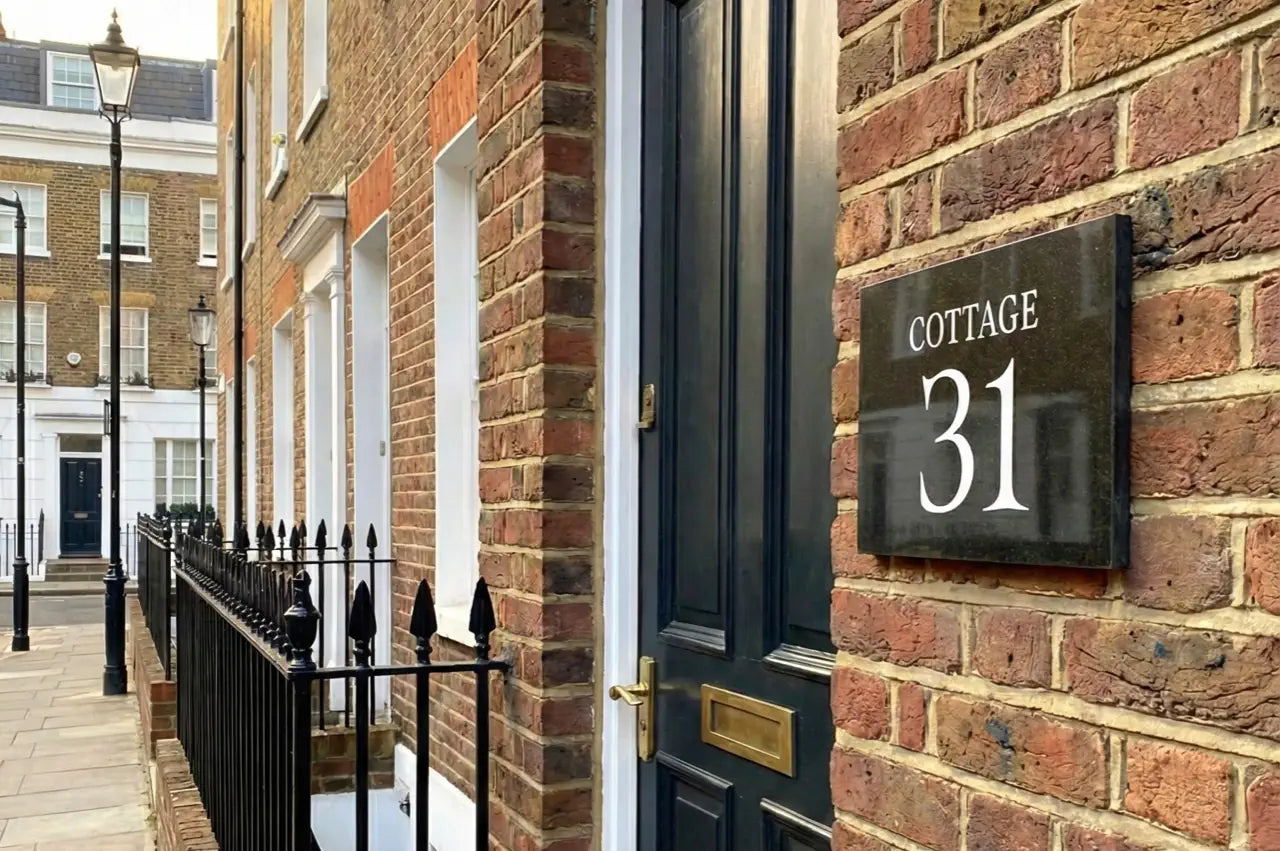
Granite House Signs
Today
Forged deep within the Earth and refined by hand, your granite house sign stands as a permanent, weather-proof landmark - a material shaped by fire, pressure, and time.
Timber & Posts: Supporting Materials Still Matter
Materials matter even when they’re not the focus.
Our wooden posted signs are crafted from FSC-certified redwood and oak, which are pressure-treated for durability. Posts are designed to be installed securely and weather naturally alongside the sign they support.
For long-term performance, we recommend setting posts using gravel and Postcrete, you can ready our guide on how to install wooden posted signs on our fixing guides page.
Good signage isn’t just about the plaque; it’s about the system as a whole.
Material Comparison: Which Should You Choose?
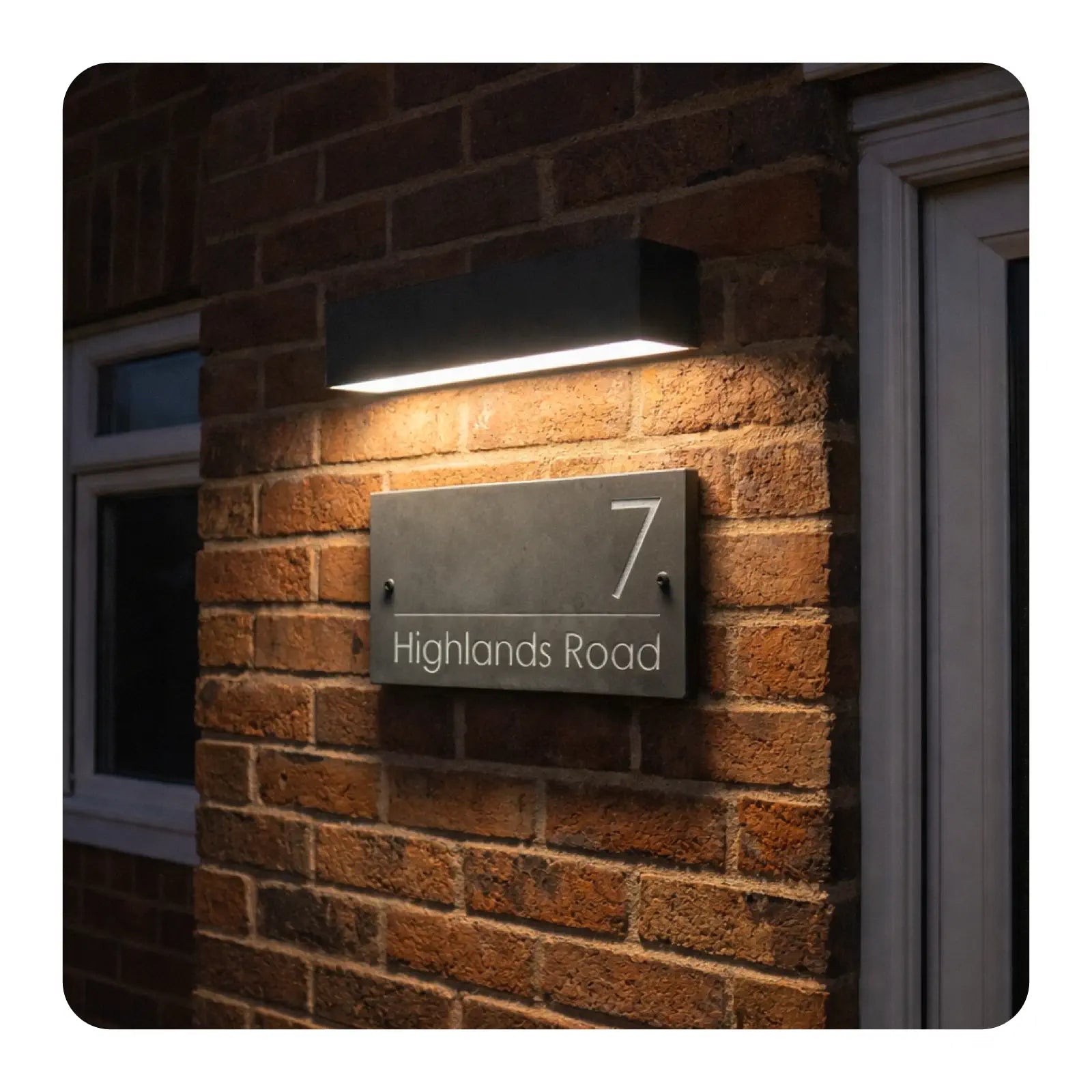
Slate
- Aesthetic: Timeless/Elegant
- Best for: All Property Types
- Durability: Exceptional
Granite
- Aesthetic: Bold/Contemporary
- Best for: Modern & Minimalist Homes
- Durability: Extreme
Limestone
- Aesthetic: Warm/Organic
- Best for: Period, Countryside and Heritage Homes
- Durability: High (sealed)
Why We Say No to Certain Materials
We don’t aim to offer every material - we aim to offer the right ones.
Through experience, we’ve learned that some natural materials simply don’t perform well outdoors, don’t engrave cleanly, or don’t age gracefully. Saying no is part of maintaining consistent quality.
Nothing we make is outsourced.
Nothing is mass-produced.
Just good materials, skilled hands, and a commitment to doing things properly.