


The Ultimate First-Fix Guide
How to Get Your Home Market-Ready
Introduction
Selling your home in today’s market means putting your best foot forward before the ‘For Sale’ sign goes up. With UK house prices predicted to dip between 3-5% in 2026, sellers can’t rely on a rising market to boost their sale price. If you’re thinking about putting your property on the market, strategic, cost-effective improvements to your home can significantly impact buyer perception and final sale price without having to break the bank.
New research from The Bespoke Sign House reveals that over a quarter (27%) of potential buyers instantly rule out a property based on its exterior alone. Fortunately, improving a home's kerb appeal doesn't have to be expensive. Nearly two-thirds (64%) of sellers spent £1,000 or less on making exterior improvements, and half of those believe the upgrades helped them sell faster or for more money.
Tackling strategic upgrades and repairs that maximizes perceived value, kerb appeal, and buyer confidence from day one is where sellers should focus their energy. This guide lays out expert-backed tips on what to fix now, what to stage later, and what might not be necessary so you can put your property on the market (or increase market value for the future) with confidence.
Meet the Experts

Kristian Goodenough
Kristian Goodenough is the co-founder of The Bespoke Sign House, a UK manufacturer of bespoke stone signage. Having produced tens of thousands of signs for properties worldwide, Kris has developed a strong understanding of how first impressions and kerb appeal influence buyer confidence. His perspective is shaped by what homeowners prioritise when going to market.

Julia Starzyk
Julia Starzyk is the founder of STAR Projects. My background is in Private High End Residential Construction Project Management and Quantity Surveying. I have spent over a decade working on projects in and around London, delivering the most unique houses you can imagine.

Chris Web
Chris Webb is the founder of The Estate Agent Consultancy, specialising in helping UK estate agents grow their instructions, improve conversions, and command higher fees. With years of hands-on experience coaching agents, he shares proven strategies for business growth through training, consultancy, and speaking engagements.
Why Fix-First?
The UK housing market remains stubbornly emotional. Despite falling prices and cost-of-living pressures, buyers continue to make decisions based on first impressions. Visible disrepair doesn't just look neglected, it signals to buyers that they'll inherit problems, justifying lower offers.
At a Glance: How Buyers Decide
The data is clear. Buyers notice exterior conditions within seconds and make decisions based on visual cues. Our exclusive research and broader market analysis reveals exactly what is influencing their offers and satisfaction.
- 27% of buyers instantly ruled out a property based on its exterior.
- 66% would reduce their offer if they spotted damaged roofs or gutters.
- 45% said peeling paintwork would make them lower their offer.
- 58% of sellers improved their garden before selling
- 50% repainted exteriors.
- 64% of sellers spent under £1,000 on exterior upgrades, and half said it paid off.
- 51% of homeowners believe kerb appeal directly helped their home sell faster or for more.
- 36% said neglected neighbouring properties made them less likely to buy nearby.
- Brits will pay 25% more for a freshly painted home (Dulux 2024)
- A well-maintained garden can add up to 20% to property value (Sold.co.uk)

At a Glance: How Buyers Decide
The data is clear. Buyers notice exterior conditions within seconds and make decisions based on visual cues. Our exclusive research and broader market analysis reveals exactly what is influencing their offers and satisfaction.


“Homeowners often find themselves in a very lonely and vulnerable place having to make decisions they don’t understand, with repercussions that nobody explained to them. That’s why I created systems that let people refurbish their homes safely, stay within budget and aim for realistic timescales.”

What to Fix First: High-Impact, Low-Cost Upgrades
Roof and Gutter Repairs
Average Cost: £250 -£300
Visible damage to roofs or gutters is the single biggest reason buyers reduce offers (66%). This isn't cosmetic. It signals structural concerns and ongoing maintenance costs in the buyer's mind.
Action: If you have damaged guttering or roof issues, prioritise repairs or be prepared to lower your offer price significantly. If you spot cracked tiles, sagging gutters, or staining on exterior walls, get quotes from at least two local roofers or maintenance companies to understand what’s needed. If left unattended, small issues can escalate quickly and cost more later.
“Any sort of roofing will need to be worked on if you’re planning to sell. If there’s any roofing issues, buyers will immediately walk away, and say ‘no, thank you, we’re going to go somewhere else. Roofs are always expensive, and you can never really estimate what the cost is going to be so if you have any roofing issues, I would say that this would be a priority to fix before selling.”
Julia Starzyk, (Founder) STAR Projects
“Roofing is one of the things that you can't really hide, because the majority of buyers these days have a survey on a property. It's a better narrative for a homeowner to say ‘we knew there was an issue there, we got it sorted and it's 100% ready for sale’ rather than hiding it until the exchange/move in period”
Chris Web, (Founder) The Estate Agent Consultancy
“I’d split your budget into three pots: must-fix (things a survey will flag), kerb appeal (entrance, paint touch-ups, garden tidy), and presentation (deep clean, declutter, lighting). If you keep it simple and focused, you can make a place feel ‘market-ready’ and homely without overspending. What you don’t want to do is fall into the trap of spending £1000s doing work the next buyer will undo anyway”.
Kristian Goodenough, (Founder) The Bespoke Sign House
Fresh Exterior Paintwork
Average Cost: Under £100 (DIY) or £1000-£5000 for Professional Work
A fresh coat of paint on your front door, walls, fences and window frames instantly transforms appearance. Estate agents consistently recommend this as their top upgrade advice (52%), and nearly half of all sellers (50%) invest in exterior painting before putting their property up for sale. The ROI will be worth it as our study found that buyers will pay 25% more for a freshly painted home.
Action: Walk around your home as if you were a buyer. Check for chipped paint, flaking render, or weathered woodwork on doors and windows. If you’re not selling immediately, plan painting in stages and start with the most visible areas or anything that makes the property look tired or uncared for. Even repainting the front door can make a big difference particularly if you choose neutral, welcoming colours that appeal to most buyers.
Unless your home is particularly scruffy, a whole repaint usually isn’t needed. For most sellers, the best return comes from targeted touch-ups. Think front doors, window frames and fences which tend to do the heavy lifting here. While weatherboarding often comes up surprisingly well from a proper clean. The aim is to make the home look well cared for, which will reassure buyers without spending money where it’s not needed.
Kristian Goodenough, (Founder) The Bespoke Sign House
“A simple repaint in soft neutrals makes a home feel fresher, brighter and well looked after. Buyers love spaces that feel modern and easy to move straight into, and that usually translates into stronger offers. We’re very surface-led creatures so if we see something that looks clean and polished, we assume that below the surface is just as clean and polished.”
Chris Web, (Founder) The Estate Agent Consultancy
A DIY front door refresh can cost as little as £40 to £80 in materials. Professional full exterior repaints typically range from £1,500 to £5,000+, depending on property size, access and the level of preparation required.
Kristian Goodenough, (Founder) The Bespoke Sign House
Garden and Driveway
Average Cost: £200-£300
An untidy garden or neglected driveway can quietly lower a property’s perceived value. Our research shows 38% of buyers would reduce their offer due to poor landscaping, while 36% say a neglected driveway puts them off. Garden work was also the most common pre-sale upgrade sellers made in our research (58%), showing just how much homeowners understand its importance. A clean, well-kept driveway is just significant as it instantly frames the property and signals care before buyers even reach the door.
Action: Start by clearing clutter and tidying what’s already there. Cut the grass, trim hedges, remove weeds and clean paths or patios with a pressure washer. If your driveway or garden has visible damage, get quotes from local landscapers or maintenance firms for simple fixes like re-levelling stones, patching cracks or topping up gravel. Even adding planters or a clean border can change how cared-for your home looks.
“The garden is one of the top three things to look at before selling. It should be a priority because it’s one of the most inexpensive things you can do that makes a big difference. Too often, gardens are left overgrown, untidy and unkept which is a real turn-off for buyers.”
Julia Starzyk, (Founder) STAR Projects
“Most people will turn up early for a viewing and sit in the car for five or ten minutes beforehand. All they’ve got to look at is the outside of the property so that time massively influences their decision before they’ve even stepped inside.”
Chris Web, (Founder) The Estate Agent Consultancy
“The best kerb appeal wins often come from tidying, clearing and repairing what’s already there, not redesigning the space. Buyers respond best to a front entrance that looks tidy, maintained and low-effort. Depending on the time of year, a few well-placed planters or seasonal flowers can add colour and warmth, but it’s important not to overdo.”
Kristian Goodenough, (Founder) The Bespoke Sign House
“Simple garden tidy-ups typically cost around £200 to £300, covering clearing, cutting back and general maintenance. Driveway improvements (not replacement) such as pressure washing, re-sanding block paving or topping up gravel usually fall between £200 to £400, depending on size and condition.”
Kristian Goodenough, (Founder) The Bespoke Sign House
Garden and Driveway
Under £100 (DIY), From £250-£350 for Professional Work
A well-presented front door is one of the easiest and most effective upgrades as our research found that 25% of sellers upgraded or repainted their front door before selling, and over a third of estate agents (37%) recommended doing so as part of their pre-sale advice. Upgrading your front door is one of the simplest ways to lift kerb appeal. A clean, sturdy, freshly painted door signals care and sets expectations for the rest of the home.
Action: If your door is scuffed or faded, repaint in a neutral or classic tone (grey, white, navy, black, or sage are safe bets) and polish or replace the hardware. Check that hinges and locks work smoothly and add a clean doormat and house number or sign to finish the look.
“Buying a home is emotional, and buyers remember how the first impression makes them feel. If you can only do one thing before photos or viewings, make it the entrance. A clean, solid front door with smart hardware, a clear house number and tidy porch helps a buyer picture themselves walking into their new home… and that first impression sets the tone for everything they see next.”
Kristian Goodenough, (Founder) The Bespoke Sign House
“In property, we like front doors. It kind of sets the gateway to the home so if you’ve got a tatty front door, then you’ve got a tatty gateway to your home. Nothing is more off-putting during a viewing than a door that's rough or broken. People go through their front door at least twice a day so if they’re not willing to upgrade it, it's not a good look.”
Chris Web, (Founder) The Estate Agent Consultancy
“Repainting a front door typically costs £30–£80 if done DIY, or around £250 to £350 when done professionally. New hardware such as handles, knockers and house numbers usually costs £40 to £150.”
Kristian Goodenough, (Founder) The Bespoke Sign House
Window Cleaning
Average Cost: £40-£120
Sparkling windows are a simple but often overlooked upgrade. Clean glass instantly brightens interiors and improves exterior presentation in photos and viewings. Dirty or streaked windows, on the other hand, give the impression of neglect.
Action: Book a professional clean for windows, frames, and sills before photography or viewings. If selling later, plan seasonal cleans to keep them looking clear. For older frames, a light sand and paint can also make a big difference.
“It’s about the small details. If windows are dirty, you would think about how much care they take with their property. If they’re clean and well looked after, you assume they look after everything else too.”
Chris Web, (Founder) The Estate Agent Consultancy
“For a professional exterior window clean you can expect to pay between £40–£120 depending on house size and access. Doing it just before photos and viewings is usually the best value.”
Kristian Goodenough, (Founder) The Bespoke Sign House
Other Minor Fixes
Inside the home, presentation matters as much as structure. Fixing small issues such as a leaky tap, a loose handle, a sticking door quietly reassures buyers that the property has been cared for. Once repairs are done, a full deep clean and declutter are the finishing touches that make spaces feel open, fresh, and move-in ready. Remove personal items, tidy shelves, and keep décor neutral so buyers can imagine their own life in the space.
Action: Book a professional clean for windows, frames, and sills before photography or viewings. If selling later, plan seasonal cleans to keep them looking clear. For older frames, a light sand and paint can also make a big difference.
“Declutter and make the entrance feel spacious. Buyers make their decision in the first ten seconds of walking through the door. If they walk in and love it, there’s potential for a sale but if something puts them off straight away, it’s almost impossible to recover. In the kitchen, even just replacing the fronts or the handles helps as it makes them look less worn out”.
Julia Starzyk, (Founder) STAR Projects
“Think like a buyer, not an owner. Small issues such as a cracked tile, dripping tap, scuffed walls or loose skirting can quietly create the impression that a home hasn’t been maintained. Fixing a handful of these small issues can lift the overall feel of a property and make it feel more homely and reassuring to prospective buyers.”
Kristian Goodenough, (Founder) The Bespoke Sign House
What's Not Worth Doing
Not every project pays off, and, in most cases, large or highly personal upgrades won’t deliver the same return as small, targeted improvements. These include:
Complete Kitchen or Bathroom Renovations
While kitchen and bathroom upgrades are high on many homeowners’ wish lists, they usually offer poor return on investment unless they are in such poor condition that they let the rest of the property down. It’s better to focus on fixing obvious issues like cracked tiles and leaky taps, and to make sure everything is clean and functional. Most buyers prefer to update these spaces to their own taste anyway.
“The mistake many people make is they buy a brand new kitchen six weeks before they move out when the next person is unlikely to want that kitchen. You’re better off taking it into the price and giving buyers the leeway to put in exactly what they want.”
Chris Web, (Founder) The Estate Agent Consultancy
Extensive Flooring Replacement
Fitting brand new carpets or expensive flooring throughout the home can add up fast. Unless the existing flooring is heavily worn or damaged, stick to a professional clean or replace only in high-traffic areas.
High-End Décor Trends
Bold colours, feature walls, or expensive finishes can quickly date and divide opinion. Stick to simple, neutral style choices that appeal to most buyers.
Over Personalisation
Avoid bold colour schemes, niche design choices, or heavily themed rooms. Neutral, clean spaces appeal to a broader buyer base and stage more easily.
“Replacing carpets just before selling is a complete waste of money. Nine times out of ten it’s not worth it as buyers will likely re-carpet or completely strip the floors and replace with wood flooring. Bathrooms are similar.Unless it’s a full re-do, patch-ups show very quickly and won’t make a huge difference in decision making. In this buyer’s market, big extensions also hardly ever pay because construction is so expensive. It’s better to spend a small amount making the property look its best.”
Julia Starzyk, (Founder) STAR Projects
“You don't always need a full refit. Often, replacing worktops, taps, handles or lighting can give you that modern upgrade effect without the big spend. That said, if your kitchen or bathroom is really dated, a full replacement can pay off, just make sure you weigh up the cost versus what you'll likely get back.”
Chris Web, (Founder) The Estate Agent Consultancy
Neighbouring Properties
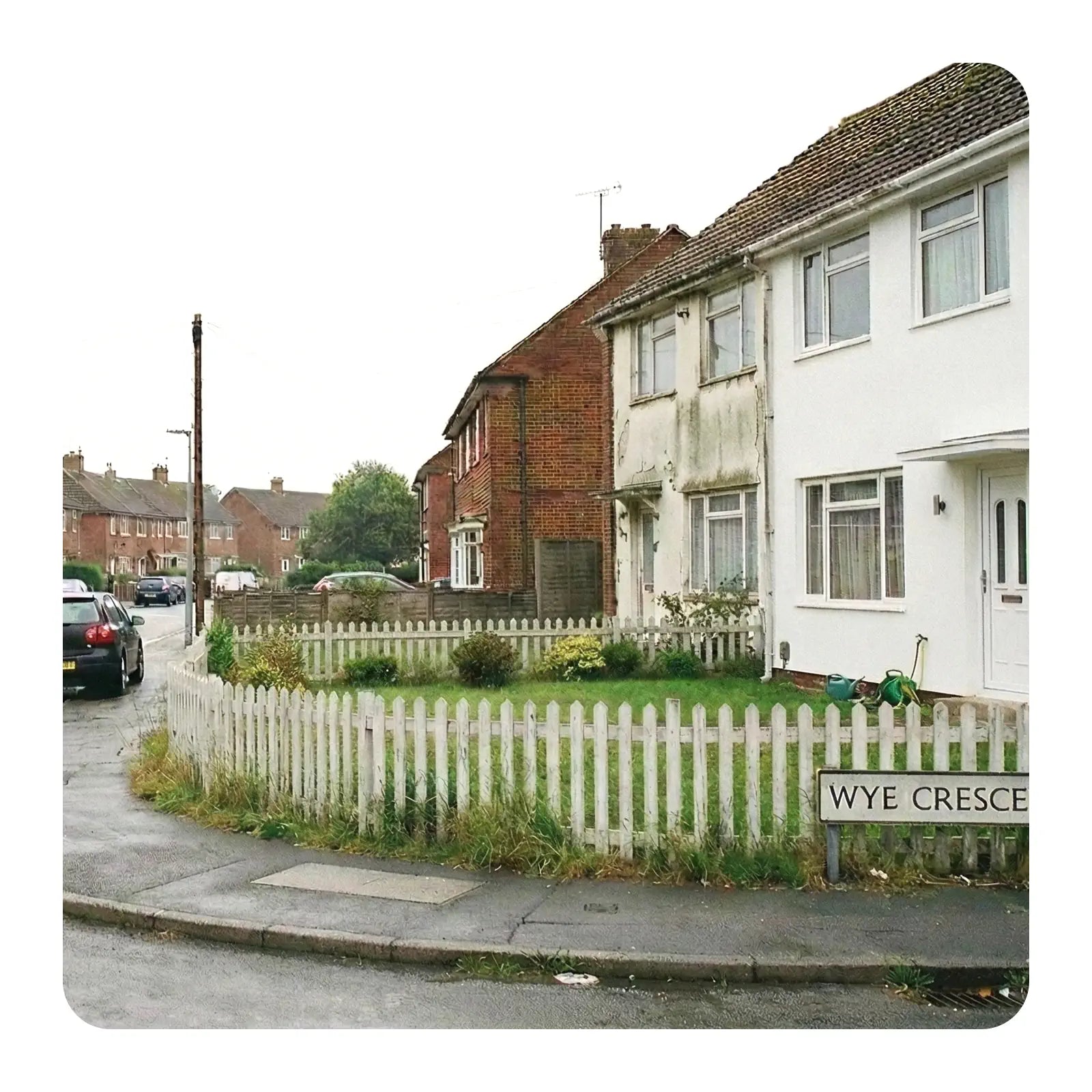
Kerb appeal doesn’t stop at your boundary. Our research found that 36% of buyers said a poorly maintained neighbouring property would put them off buying nearby, and almost one in three (32%) have felt embarrassed by how a neighbour’s home looked. It’s a reminder that perception of care extends to the wider street.
Action: while you can’t control how neighbours maintain their homes, you can soften the visual impact. Keep your side of shared fences or hedges tidy, use planting or decorative screening to hide eyesores, and make your own frontage stand out positively. If you have a good relationship with your neighbours, a polite conversation about tidying shared areas or scheduling bin days can sometimes make a difference.
“If the neighbours aren’t willing to look after their garden, people think they won’t look after anything else and that the problems will spill over. Parking is the same. If there are too many cars on the neighbour’s drive, buyers worry it will overflow into their space.”
Chris Web, (Founder) The Estate Agent Consultancy
Budget Strategy
Most sellers (47%) keep improvements under £1,000, focusing on high-impact, low-cost fixes. For those with more extensive needs, spending between £3,000-£5,000 may be justified, but only for multiple jobs or where urgent repairs are needed. Prioritise visible, confidence-building fixes first, and spread out any extra updates over time if you’re not selling straight away. Well-chosen, targeted spending goes much further than large-scale projects.
“One thing to consider if you’re planning to sell further down the line is applying for planning permission for an extension or loft conversion. It gives buyers the chance to make the property bigger or more modern without the headache of applying themselves. If they can avoid taking that risk, they will every time.”
Julia Starzyk, (Founder) STAR Projects
“Look at bang for your buck. Painting, decorating and new carpets can make a huge difference without spending thousands. Anything broken that isn’t structural but looks bad, like a banister, get it fixed. Those small finishing jobs really matter.”
Chris Web, (Founder) The Estate Agent Consultancy
“I’d split your budget into three pots: must-fix (things a survey will flag), kerb appeal (entrance, paint touch-ups, garden tidy), and presentation (deep clean, declutter, lighting). If you keep it simple and focused, you can make a place feel ‘market-ready’ and homely without overspending. What you don’t want to do is fall into the trap of spending £1000s doing work the next buyer will undo anyway”.
Kristian Goodenough, (Founder) The Bespoke Sign House
Conclusion
Getting your home market-ready is less about spending big and more about making smart, purposeful choices. Buyers respond most to the small details that show your property has been looked after. By tackling the fixes that matter and resisting the urge to over-improve, you can put your home on the market with confidence, knowing you’ve boosted its appeal, built buyer trust, and protected your bottom line in a competitive market.